
Asset Retirement Obligation
(ASC 410-20)
Why spreadsheets fail to manage ARO
what is an asset retirement obligation?
An Asset Retirement Obligation (ARO) is the legal obligation, when incurred, to recognize a liability and disclose the future cost to retire a tangible long-lived asset. The Financial Accounting Standards Board (FASB) defines the recognition and measurement requirements for ARO under ASC 410-20.
In certain cases, ARO includes environmental remediation obligations arising from the normal operation of a long-lived asset and associated with its retirement (ASC 410-20-15-2(b)).
Whether or not a remediation obligation results from the normal operation of a long-lived asset requires judgment. FASB guidance limits such ARO to pollution conditions that are integral to normal operations and cannot be entirely avoided.

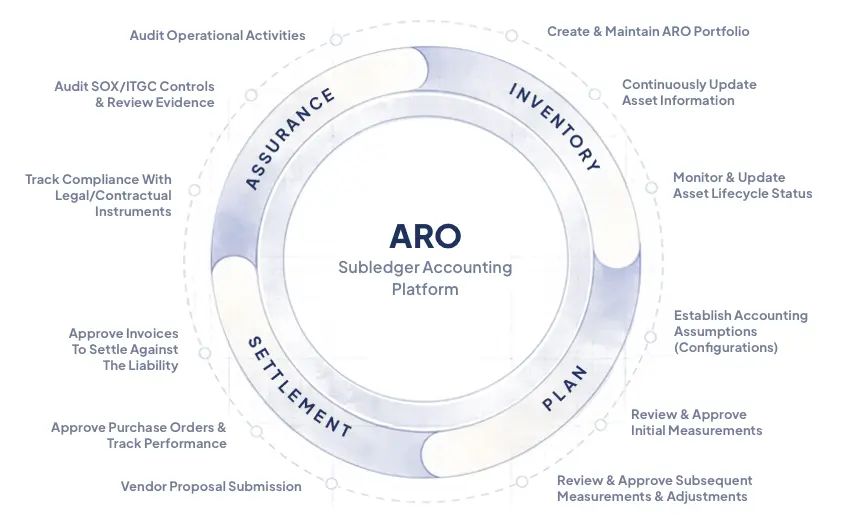
ARO requires ongoing management of net present value, accretion expense, asset retirement cost, and depreciation across the full life of long-lived assets, with frequent reassessments, adjustments, and ongoing settlements across your entire ARO program.
ARO TYPES
ARO types are anchored to long-lived assets and are relatively predictable.
landfill
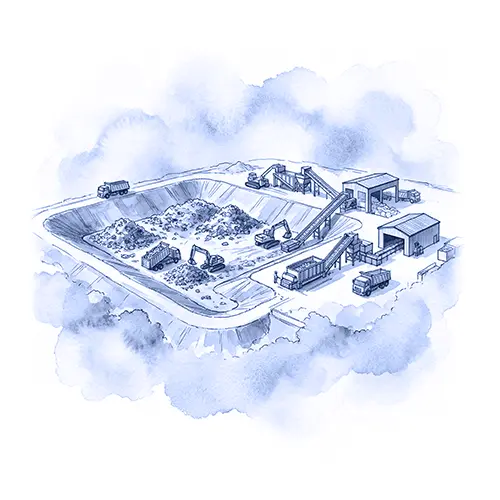
mining
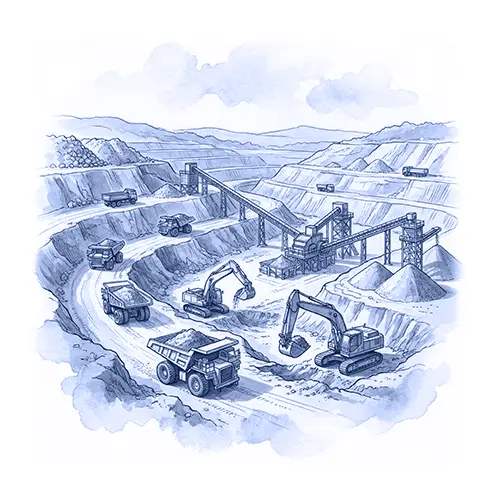
nuclear
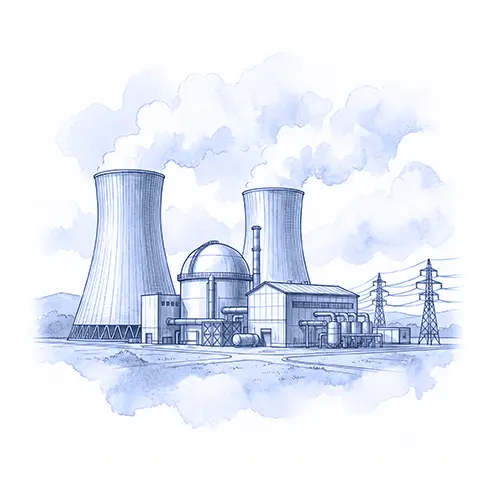
manufacturing
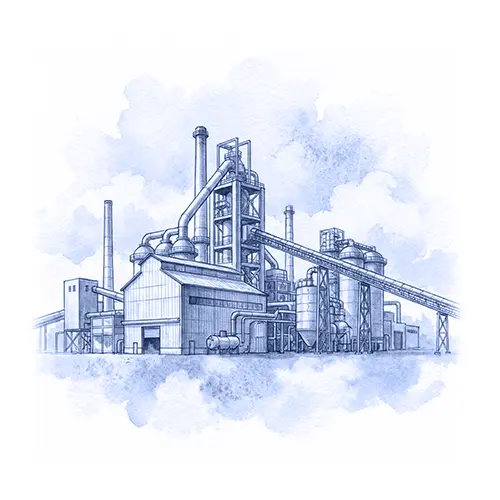
oil & Gas

renewable energy

asbestos
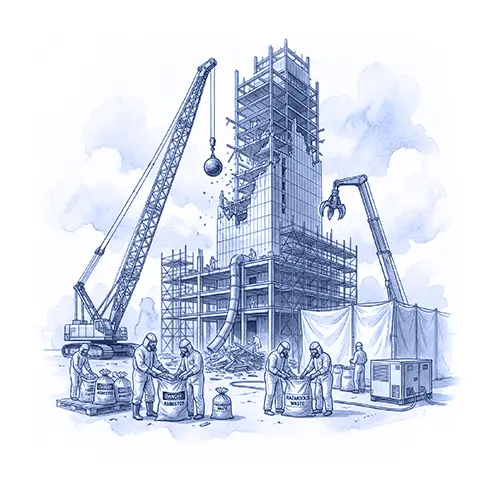
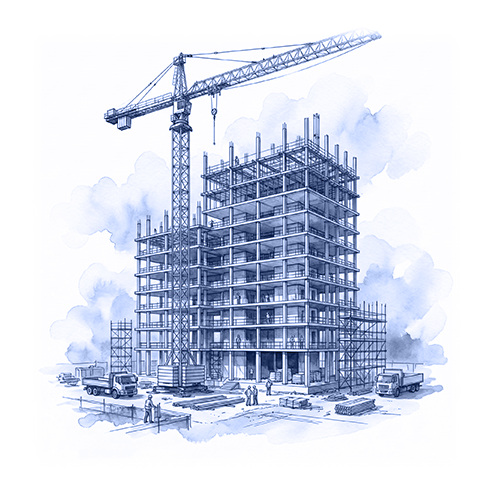
real estate
ARO inputs & ATTRIBUTES
Inputs are the variable assumptions that change by site and scenario. Attributes define how the ARO is modeled and behaves over time. Same math. Same lifecycle. Repeated across assets.
inputs
Asset Life / Retirement Timing
Engineering Cost Estimates
Inflation Rate
Discount Rate
Accretion Rate
attributes
Planned
Layers - Build up over time
Asset Linked
Long Dated
Model Driven
ARO scenarios

Offshore Oil Platform Decommissioning
An oil company must dismantle and remove an offshore drilling platform and restore the seabed when production ends. The accounting inputs include estimated future removal costs, expected retirement timing, discount rate, inflation assumptions, and asset life; the attributes are that this obligation uses a consistent accretion model (present value → liability) and lifecycle logic repeated each reporting period until settlement.

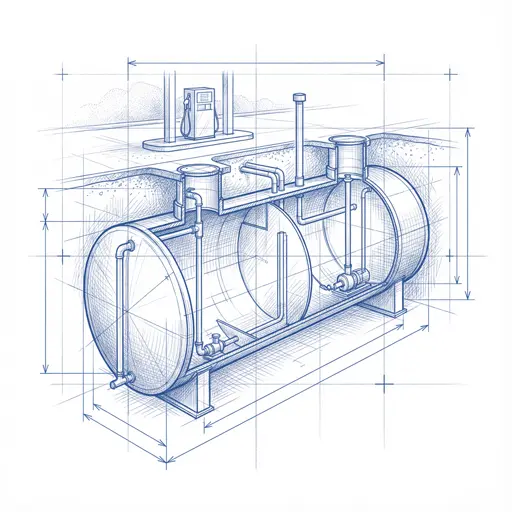
Underground GAS Storage Tank Removal
A retailer installs underground fuel tanks with a legal requirement to remove and remediate the soil at lease end. Inputs here include estimated cost of excavation and cleanup, expected inflation, and timing of 30–40 years forward, and attributes include the same fair-value accretion math and recurring lifecycle measurement every period until the obligation is resolved.
Mine Site Closure & Land Restoration
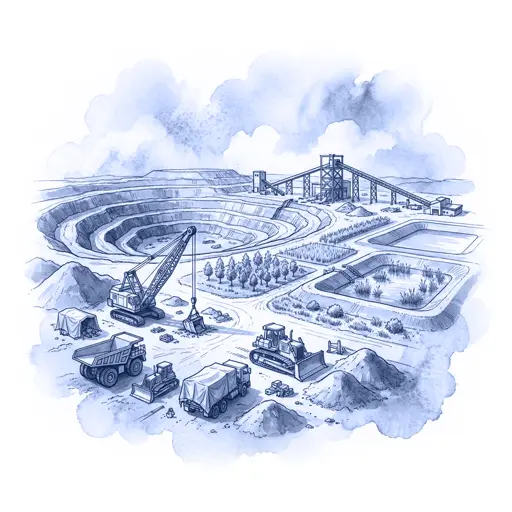
A mining company must fill in open-pit areas, re-contour land, and revegetate after mining ceases. Key inputs are engineer cost estimates for earthmoving/restoration, discount rate, retirement timing, and asset life of the mine, while the ARO attributes ensure consistent accretion and depreciation math that is repeated across similar obligations as the portfolio grows.
The problem
Asset Retirement Obligation (ARO) accounting is inherently complex and long-dated. It requires continuous remeasurement of Net Present Value, Accretion Expense, Asset Retirement Cost (ARC), and Depreciation as Assumptions, timing, scope, and settlement activity change over the life of a long-lived asset. Many ARO also involve judgment, particularly where Environmental Remediation Obligations arise from the normal operation of the asset under ASC 410-20.
the consequences
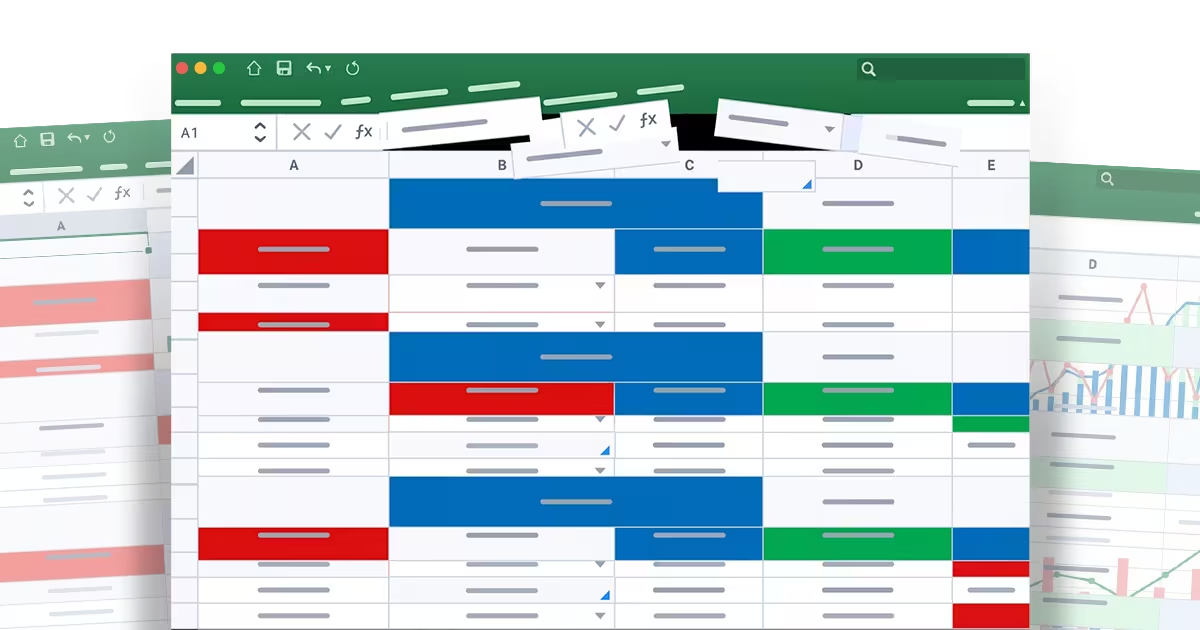
Managing ARO in spreadsheets creates complexity without control. Manual calculations and undocumented assumptions increase audit risk and force recurring fire drills across Finance and Operations.
Manual remeasurement and modeling
Discounted cash flow models, accretion, and depreciation are recalculated by hand, increasing error risk with every assumption change.
Fragmented asset and obligation data
Asset inventories, plans, spend, and settlements live in separate files and systems with no single source of truth.
Undocumented judgments and assumptions
Determinations around scope, timing, and environmental remediation are difficult to track, explain, or defend over time.
Weak audit trail and supporting evidence
Teams struggle to produce consistent roll-forwards, explanations, and documentation during audits and close cycles.
ARO System of Record
the enfos solution
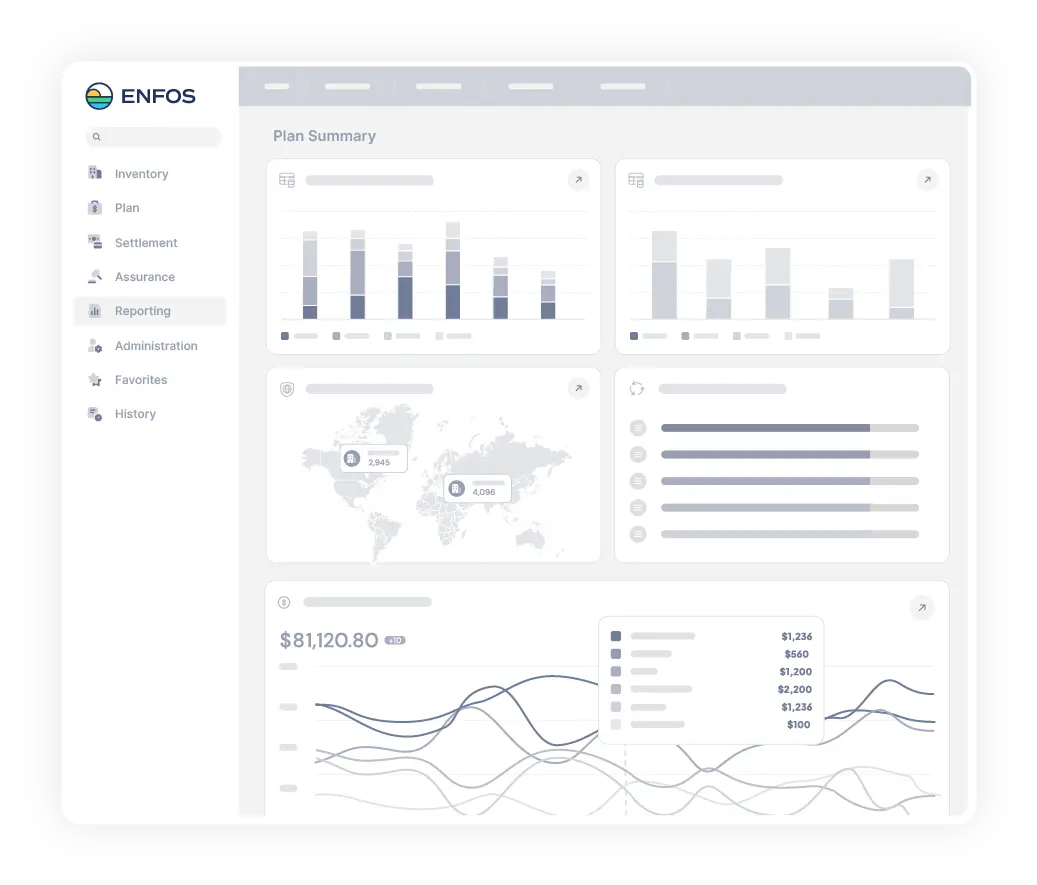
ENFOS replaces spreadsheets and fragmented systems with a purpose-built ARO system of record.
The platform centralizes asset inventories, standardizes assumptions, automates remeasurement, and maintains a complete audit trail across the full ARO lifecycle.
By structuring data, enforcing controls, and integrating with ERP and financial systems, ENFOS enables finance teams to manage ARO with confidence, reduce reporting volatility, and withstand audit scrutiny as portfolios scale.

EXPLORE ENFOS TODAY
.webp)
FAQs
What is an Asset Retirement Obligation (ARO)?
An Asset Retirement Obligation (ARO) is a legal obligation to recognize a liability and disclose the future cost to retire a tangible long-lived asset, including decommissioning, removal, and site restoration, recognized and measured under ASC 410-20.
When is an ARO recognized under ASC 410-20?
An ARO is recognized at the point a legal obligation to retire a long-lived asset is incurred, provided the fair value of that obligation can be reasonably estimated.
How is an ARO measured and remeasured over time?
ARO is initially measured at fair value and subsequently remeasured as assumptions, timing, scope, and settlement activity change. This includes accretion expense, depreciation of asset retirement cost, and adjustments to the liability. Adjustments create layers and through time multiple layers will build upon the initial measurement.
Do I include remediation costs in my ARO?
Some remediation costs may be included in ARO if they arise from the normal operation of a long-lived asset and are associated with its retirement (ASC 410-20-15-2(b)). Determining whether a remediation obligation qualifies requires judgment. FASB guidance limits inclusion to pollution conditions that are integral to normal operations and cannot be entirely avoided.
How does ENFOS support audit readiness and internal controls?
ENFOS maintains a complete, system-generated audit trail, including assumption history, roll-forwards, journal entries, and supporting documentation, enabling consistent and defensible reporting.