
Decommissioning and Restoration Obligation (IAS 37)
Why spreadsheets fail to manage DRO
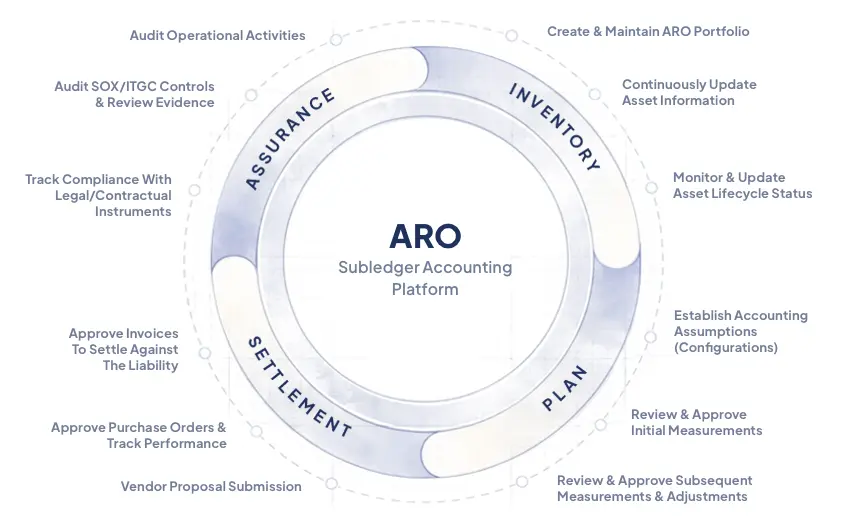
what is a decommissioning and restoration obligation?
A Decommissioning and Restoration Obligation (DRO) is a present obligation, legal or constructive, to dismantle and remove a long-lived asset and restore the site on which it stands. The International Accounting Standards Board (IASB) defines the recognition and measurement requirements for DRO under IAS 37, with the cost added to the related asset under IAS 16.
A DRO is recognized as a provision when a past event creates the obligation, an outflow of resources is probable, and the amount can be reliably estimated.
IFRIC 1 governs how changes in estimated cash flows, timing, and discount rates flow through both the provision and the asset over time.
DRO requires ongoing management of the provision at present value, the unwinding of the discount, the decommissioning asset and its depreciation, and IFRIC 1 remeasurement as estimates, timing, and discount rates change across the life of every asset.
DRO TYPES
DRO types are anchored to long-lived assets and the sites they occupy, wherever the enterprise reports under IFRS.
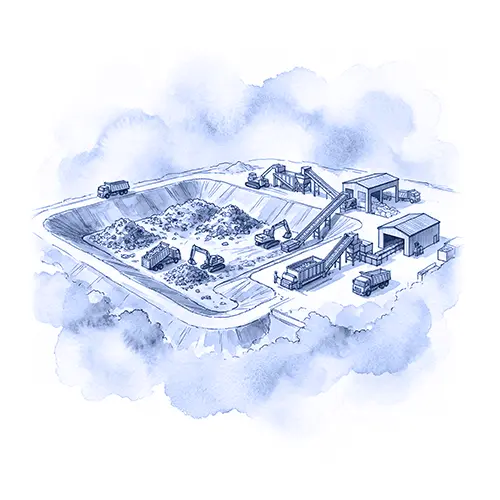
landfill
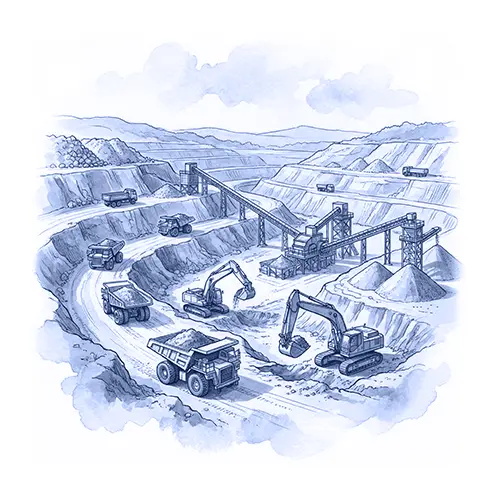
mining
nuclear
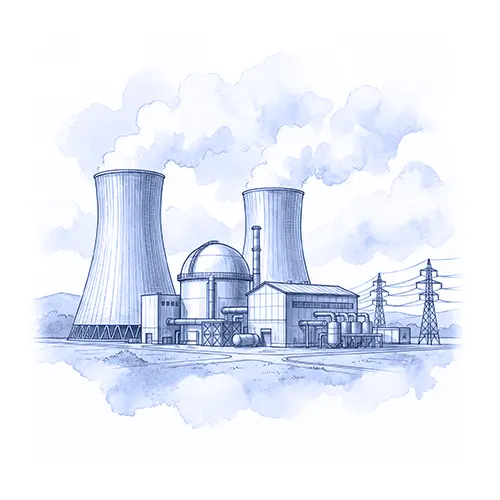
manufacturing
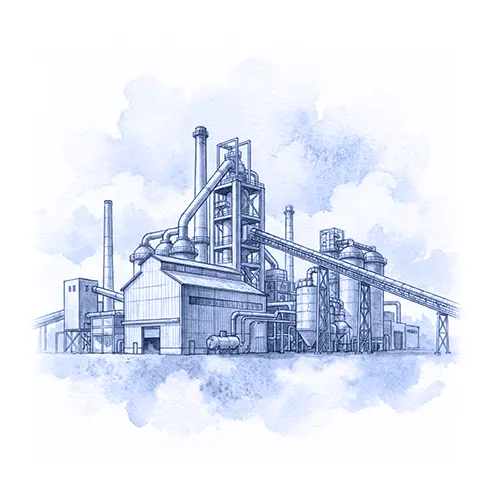
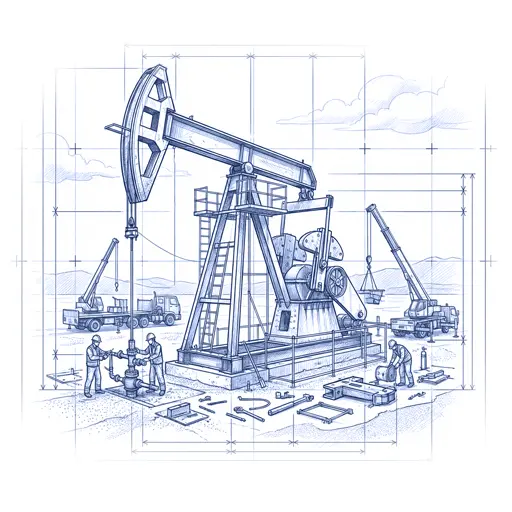
oil & Gas

renewable energy

asbestos
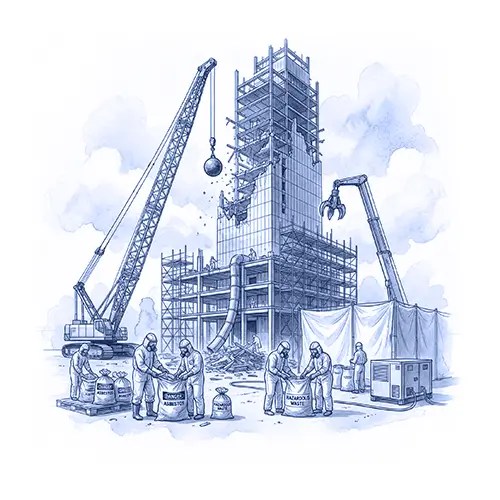
real estate
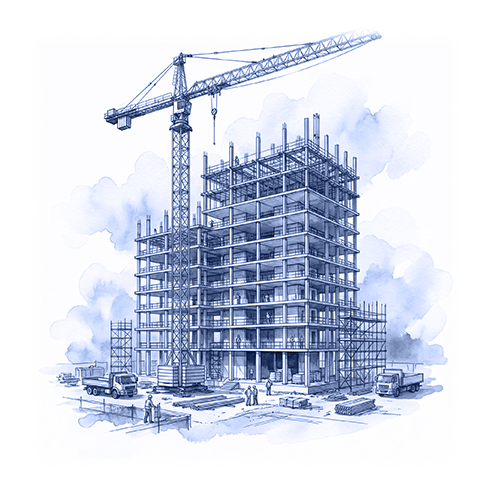
DRO inputs & ATTRIBUTES
Inputs are the variable assumptions that change by site and scenario. Attributes define how the DRO is modeled and behaves over time. Same math. Same lifecycle. Repeated across assets.
inputs
Asset Life / Decommissioning Timing
Engineering Cost Estimates
Inflation Rate
Pre-Tax Discount Rate
Unwinding of the Discount
attributes
Present Obligation, Legal or Constructive
Capitalized Into the Asset (IAS 16)
Long Dated
Remeasured Each Period (IFRIC 1)
Model Driven
DRO scenarios
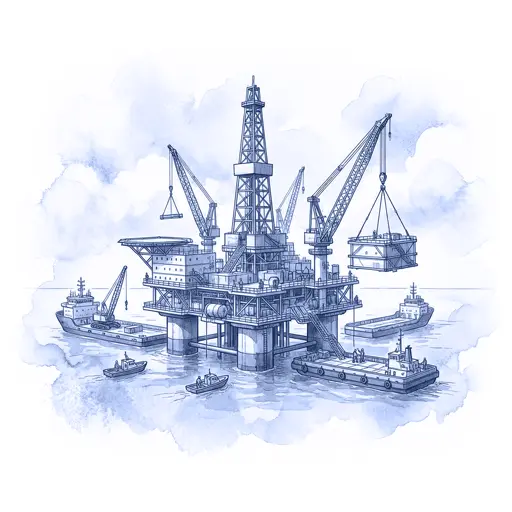
North Sea Platform Decommissioning
An oil and gas operator reporting under IFRS must plug and abandon wells, remove an offshore platform, and restore the seabed when production ends. Inputs include estimated removal costs, decommissioning timing, a pre-tax discount rate, and inflation. The provision is recognized at present value and the same amount is added to the cost of the platform under IAS 16. Each period the discount unwinds as a finance cost, and changes in estimate or discount rate adjust both the provision and the asset under IFRIC 1.

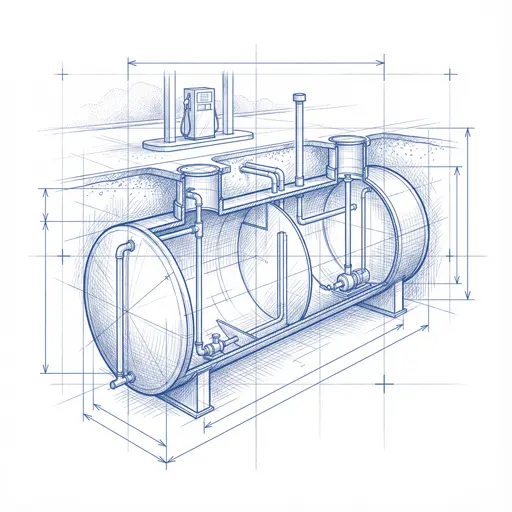
Underground Fuel Tank Removal
A fuel retailer reporting under IFRS has an obligation to remove underground storage tanks and restore each site at lease end. Inputs include excavation and restoration costs, inflation, and timing decades forward. The provision is discounted, capitalized into the related asset, and remeasured every reporting period until the tanks are removed and the obligation is settled.
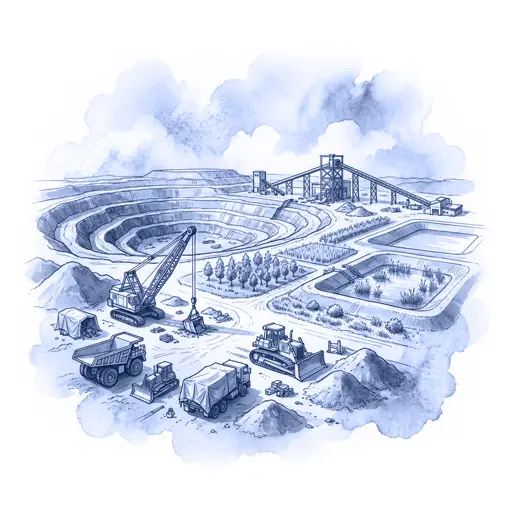
Mine Site Closure & Land Restoration
A mining company reporting under IFRS must backfill pits, re-contour land, and revegetate when operations cease. Inputs include closure cost estimates, the discount rate, timing, and life of mine. The decommissioning asset is depreciated over the life of the mine while the provision unwinds, and both are adjusted as closure plans, costs, and rates change.
The problem
Decommissioning and Restoration Obligation (DRO) accounting under IFRS is long-dated and judgment-heavy. It requires continuous remeasurement of the provision at present value, the unwinding of the discount, the decommissioning asset and its depreciation, and the IFRIC 1 adjustments that follow every change in estimated cash flows, timing, or discount rate. Multinational enterprises that also report AROs under US GAAP manage the same kinds of assets under two frameworks with different recognition and measurement rules.
the consequences
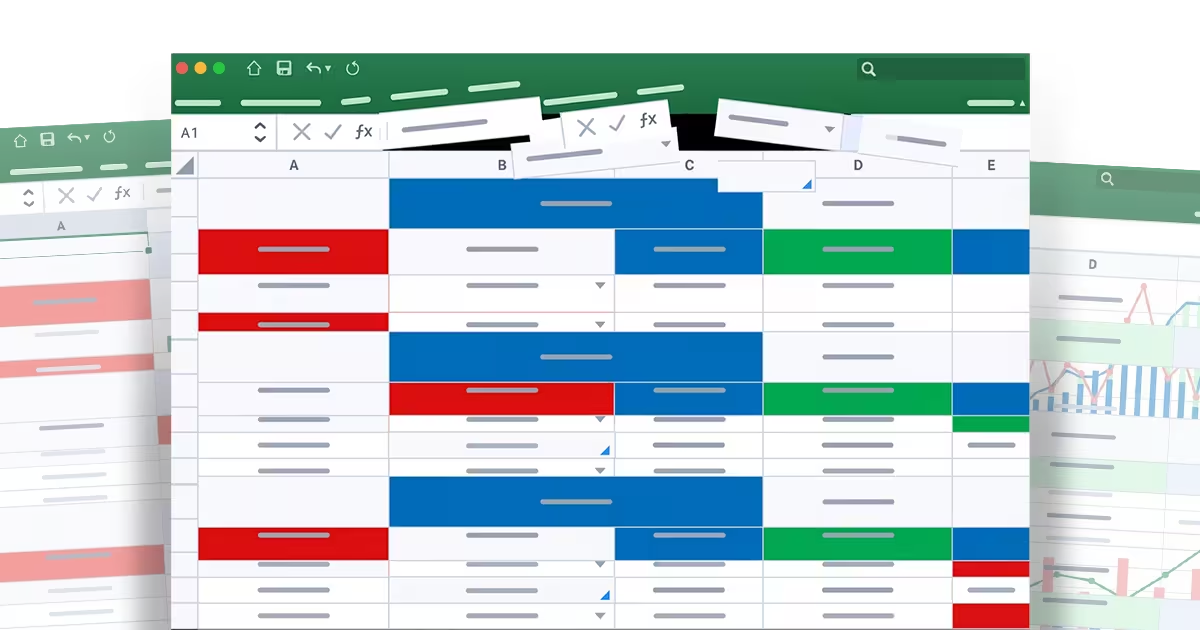
Managing DRO in spreadsheets creates complexity without control. Manual discounting, disconnected asset records, and undocumented assumptions increase audit risk and force recurring fire drills across Finance and Operations.
Manual remeasurement and modeling
Discounted cash flow models, unwinding of the discount, and depreciation are recalculated by hand, increasing error risk with every assumption change.
Fragmented asset and obligation data
Asset inventories, plans, spend, and settlements live in separate files and systems with no single source of truth.
Undocumented judgments and assumptions
Determinations around scope, timing, and environmental remediation are difficult to track, explain, or defend over time.
Weak audit trail and supporting evidence
Teams struggle to produce consistent roll-forwards, explanations, and documentation during audits and close cycles.
DRO System of Record
the enfos solution
ENFOS replaces spreadsheets and fragmented systems with a purpose-built DRO system of record.
ENFOS 6 adds the DRO Plan module alongside ARO (ASC 410-20) and ERO (ASC 410-30), so decommissioning and restoration obligations under IAS 37 and IAS 16 are planned and governed in the same system of record as US GAAP obligations, with remeasurement guidance under IFRIC 1.
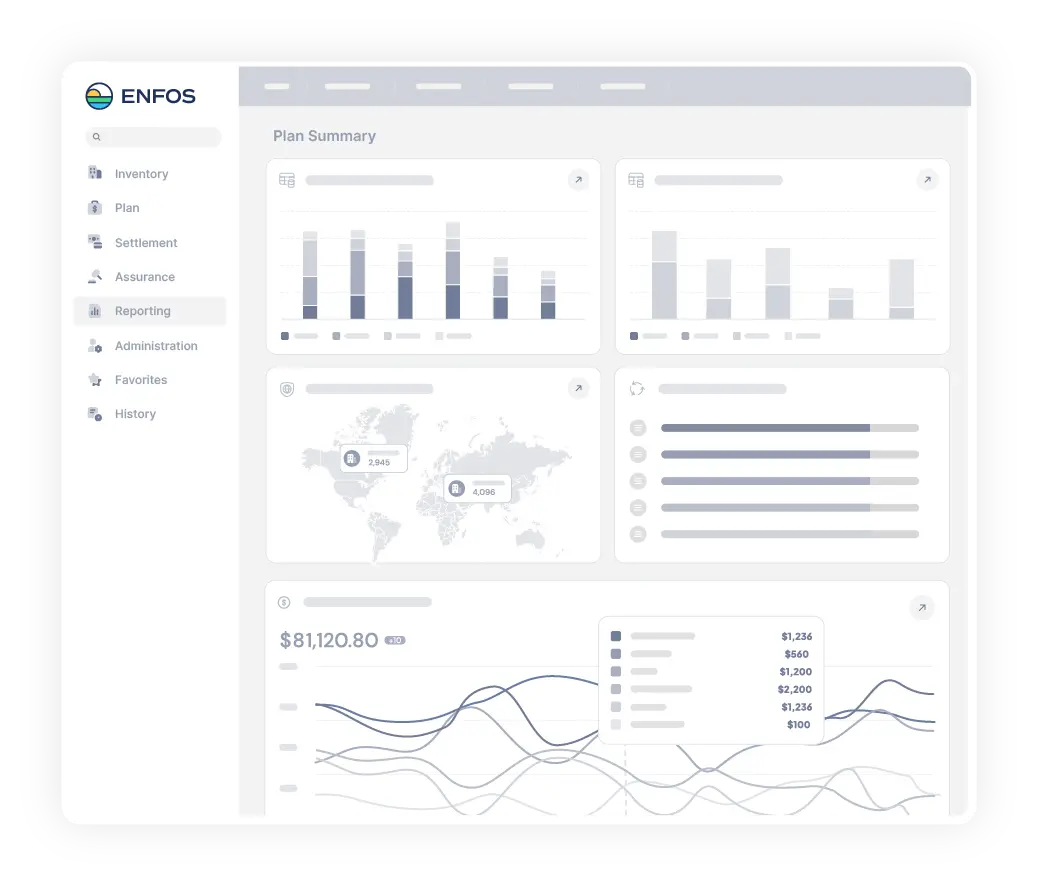
Modernized planning grids, lifecycle views by expense and scenario type, multi-year balance views, and integrated documentation help Finance and Operations standardize assumptions, reduce spreadsheet dependency, and maintain accurate, auditable information as IFRS portfolios scale.

EXPLORE ENFOS TODAY

FAQs
What is a Decommissioning and Restoration Obligation (DRO)?
A Decommissioning and Restoration Obligation (DRO) is a present legal or constructive obligation to dismantle and remove an asset and restore the site it occupies. It is recognized as a provision under IAS 37, and the initial estimate of the cost is added to the cost of the related asset under IAS 16.
When is a DRO recognized under IAS 37?
A DRO is recognized when a past event creates a present obligation, an outflow of resources to settle it is probable, and the amount can be reliably estimated. For decommissioning, the obligating event is typically the construction or installation of the asset, or the disturbance of the site.
How is a DRO measured and remeasured over time?
A DRO is measured at the best estimate of the expenditure required to settle the obligation, discounted at a pre-tax rate that reflects current market assessments of the time value of money and the risks specific to the liability. The discount unwinds each period as a finance cost. Under IFRIC 1, changes in estimated cash flows or the discount rate adjust both the provision and the cost of the related asset, which is depreciated over its remaining useful life.
How does a DRO differ from an ARO under US GAAP?
An ARO under ASC 410-20 covers legal obligations, is measured at fair value using a credit-adjusted risk-free rate, and recognizes accretion expense, with earlier layers kept at their original rates. A DRO under IAS 37 also covers constructive obligations, is measured at a best estimate discounted at a current pre-tax rate, and is remeasured when that rate changes. ENFOS manages both in one platform, with separate ARO and DRO Plan modules.
How does ENFOS support audit readiness and internal controls?
ENFOS maintains a complete, system-generated audit trail, including assumption history, roll-forwards, journal entries, and supporting documentation, enabling consistent and defensible reporting.